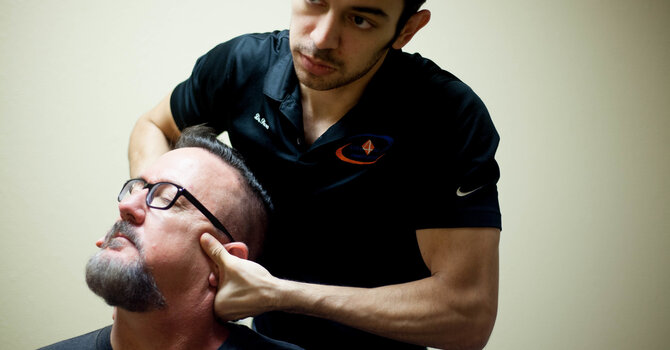
Jaw pain can interrupt everything—chewing, talking, sleeping, working, and even concentrating. For many people, these symptoms are caused by TMJ dysfunction, a problem affecting the temporomandibular joint where your jaw meets your skull. If you’ve been searching for relief and wondering whether a TMJ chiropractor can help, the answer is often yes. Chiropractic care offers a gentle, effective, and holistic approach to reducing TMJ pain and restoring proper movement to the jaw, neck, and surrounding muscles.
For patients in Richmond, TX, understanding how chiropractic care can address TMJ issues may be the first step toward long-term relief.
What Is TMJ? Understanding the Root Cause of Jaw Pain
TMJ stands for temporomandibular joint, the hinge that connects your jawbone to your skull. This joint handles thousands of movements every day—chewing, speaking, yawning, and swallowing. When the joint becomes irritated, inflamed, or misaligned, you can experience a wide range of symptoms, including:
- Jaw pain
- Jaw stiffness or limited jaw movement
- Clicking or popping sounds
- TMJ headaches or migraines
- Facial pain
- Neck pain from TMJ tension
- Shoulder pain due to muscle imbalances
- Ear pressure or discomfort
- Vertigo or dizziness
- Difficulty chewing or biting
Many people don’t realize that TMJ dysfunction often stems not only from the jaw itself but also from surrounding structures—especially the neck. Poor posture, stress-related clenching, grinding teeth at night, or trauma can all create misalignments that place strain on the joint.
Can a Chiropractor Help With TMJ?
A common question people ask is: “Can a chiropractor help with TMJ?”
In many cases, absolutely.
A well-trained TMJ chiropractor focuses on identifying restrictions or misalignments in the jaw joint and upper cervical spine. When these areas are out of balance, the surrounding muscles can tighten, leading to jaw pain, neck pain, headaches, jaw stiffness, and even shoulder tension.
Chiropractic care can:
- Improve mobility in the jaw
- Decrease muscle tension in the face, neck, and shoulders
- Restore proper alignment in the cervical spine
- Reduce inflammation around the jaw joint
- Relieve accompanying TMJ headaches
- Improve posture that may be contributing to jaw dysfunction
Because TMJ pain often has multiple contributing factors, chiropractic care takes a whole-body approach rather than treating only the symptoms.
TMJ Pain in Richmond, TX: Why It’s So Common
Residents in Richmond, TX experience many of the same triggers that cause TMJ pain nationwide, but certain lifestyle patterns can make symptoms worse:
- Long hours of computer work leading to forward-head posture
- High stress levels that encourage clenching or grinding
- Increased use of mobile phones and tablets
- Lack of restorative sleep
- Chronic neck strain
These habits can place constant pressure on the muscles that support the jaw. Over time, the joint becomes irritated, leading to TMJ pain, recurring headaches, and tension in the neck and shoulders.
A TMJ chiropractor helps break this cycle by realigning the structures that support proper jaw function and relieving muscle tension that contributes to ongoing discomfort.
Jaw Pain Treatment: How Chiropractic Care Works
Jaw pain is rarely caused by just one issue. That’s why chiropractic treatment is customized to your specific symptoms and their underlying causes. A TMJ chiropractor may incorporate a combination of techniques, such as:
1. Gentle Jaw Adjustments
Small, precise adjustments can help improve joint movement, reduce clicking, and relieve pressure on the TMJ.
2. Cervical Spine Alignment
Misalignments in the upper neck can strain the jaw muscles, leading to pain and dysfunction. Correcting these issues often brings significant relief.
3. Muscle Release Techniques
Trigger point therapy, stretching, and soft-tissue work can ease tension in the:
- Masseter
- Temporalis
- Pterygoid muscles
- Neck and shoulder muscles
These areas are commonly overworked when the jaw isn’t moving correctly.
4. Posture Correction
Poor posture can pull the jaw out of alignment. Your chiropractor may evaluate how your head, neck, and shoulders contribute to TMJ dysfunction.
5. Home Care Recommendations
A complete TMJ treatment plan may also include guidance on:
- Avoiding hard or chewy foods
- Reducing nighttime clenching
- Gentle jaw and neck stretches
- Stress-reduction strategies
This combination helps promote quicker healing and prevents symptoms from returning.
Can TMJ Cause Headaches, Neck Pain, and Vertigo?
TMJ dysfunction affects far more than the jaw. The muscles and nerves surrounding the temporomandibular joint connect to the head, neck, and even the upper shoulders.
This is why many people with TMJ experience:
- TMJ headaches that mimic migraines
- Neck pain from TMJ tension
- Jaw stiffness that radiates into the temples
- Shoulder pain from compensating muscle patterns
- Vertigo, dizziness, or balance issues
A TMJ chiropractor understands how these interconnected systems influence one another. By restoring alignment and reducing tension in these areas, many patients notice significant improvement in symptoms beyond jaw pain alone.
What to Expect During Your First TMJ Chiropractic Appointment
Your first visit typically includes:
A Detailed Consultation
You’ll discuss symptoms such as jaw pain, popping, stiffness, migraines, vertigo, or neck and shoulder tension.
A Physical Exam
The chiropractor will assess:
- Jaw movement
- Tender or tight muscles
- Posture patterns
- Neck alignment
- Trigger points contributing to pain
A Personalized Treatment Plan
This plan is designed to target the source of your TMJ pain—not just mask the symptoms.
Most people begin feeling relief after just a few sessions, although long-standing issues may require more consistent care.
Why Choose a TMJ Chiropractor Instead of Other Treatments?
TMJ dysfunction is often treated with medications, mouthguards, or injections. While these options can help, they typically address symptoms—not the structural imbalances causing the pain.
A TMJ chiropractor focuses on:
- Correcting joint misalignments
- Improving muscle function
- Restoring natural movement
- Providing long-term solutions
- Reducing reliance on medications
This makes chiropractic care a safe, natural choice for people who want relief without surgery or pharmaceuticals.
Jaw Stiffness, Shoulder Pain, and Vertigo: Signs You Should See a Chiropractor for TMJ
TMJ symptoms tend to worsen over time if left untreated. If you’re experiencing any of the following, it may be time to see a chiropractor for TMJ:
- Persistent jaw stiffness
- Difficulty opening or closing your mouth
- Pain when chewing
- Headaches that start near the jaw or temples
- Neck tightness that never fully resolves
- Shoulder pain along with jaw discomfort
- Episodes of vertigo or dizziness
- Clicking or popping sounds in the jaw
These signs indicate that the TMJ and surrounding structures are under stress and may need professional evaluation.
How Chiropractic Care Supports Long-Term TMJ Relief
The goal of TMJ chiropractic care isn’t just short-term pain relief—it’s long-term healing. By addressing structural issues in both the jaw and spine, many patients notice:
- Less daily tension
- More comfortable jaw movement
- Fewer headaches
- Improved posture
- Reduced clenching or grinding
- Better sleep
- More balanced muscle function
Chiropractic care empowers your body to heal by correcting the underlying causes of jaw pain rather than covering up symptoms.
A TMJ Chiropractor May Be the Key to Ending Jaw Pain
Jaw pain doesn’t have to control your day, affect your mood, or limit your ability to enjoy food and conversation. Whether you’re dealing with TMJ headaches, neck pain from TMJ, jaw stiffness, vertigo, or chronic jaw pain, a TMJ chiropractor can provide a natural and effective solution.
If you’re struggling with ongoing TMJ pain in Richmond, TX, chiropractic care from Chiro 4 All may be the answer you’ve been searching for. With personalized treatment and a whole-body approach, relief is not only possible—it’s within reach.
.jpg)